In a high-pressure emergency involving a penetrating injury, the natural human instinct is often to remove the object causing harm. However, when it comes to sharp force trauma, this instinct can be fatal. If you are faced with the question, “Should you leave a knife in a stab wound?” the answer from medical professionals and first aid experts is a definitive yes.
This article explores the life-saving physiological reasons behind this rule, the immediate steps to take for a stabbing victim, and the long-term recovery process for such critical injuries.
Why You Must Never Remove an Embedded Object
When a knife or any sharp object penetrates the body, it often acts as a makeshift plug or “tamponade.” While the object has caused significant damage to skin, muscle, and potentially blood vessels or organs, its presence is currently the only thing preventing catastrophic blood loss.
1. The Tamponade Effect
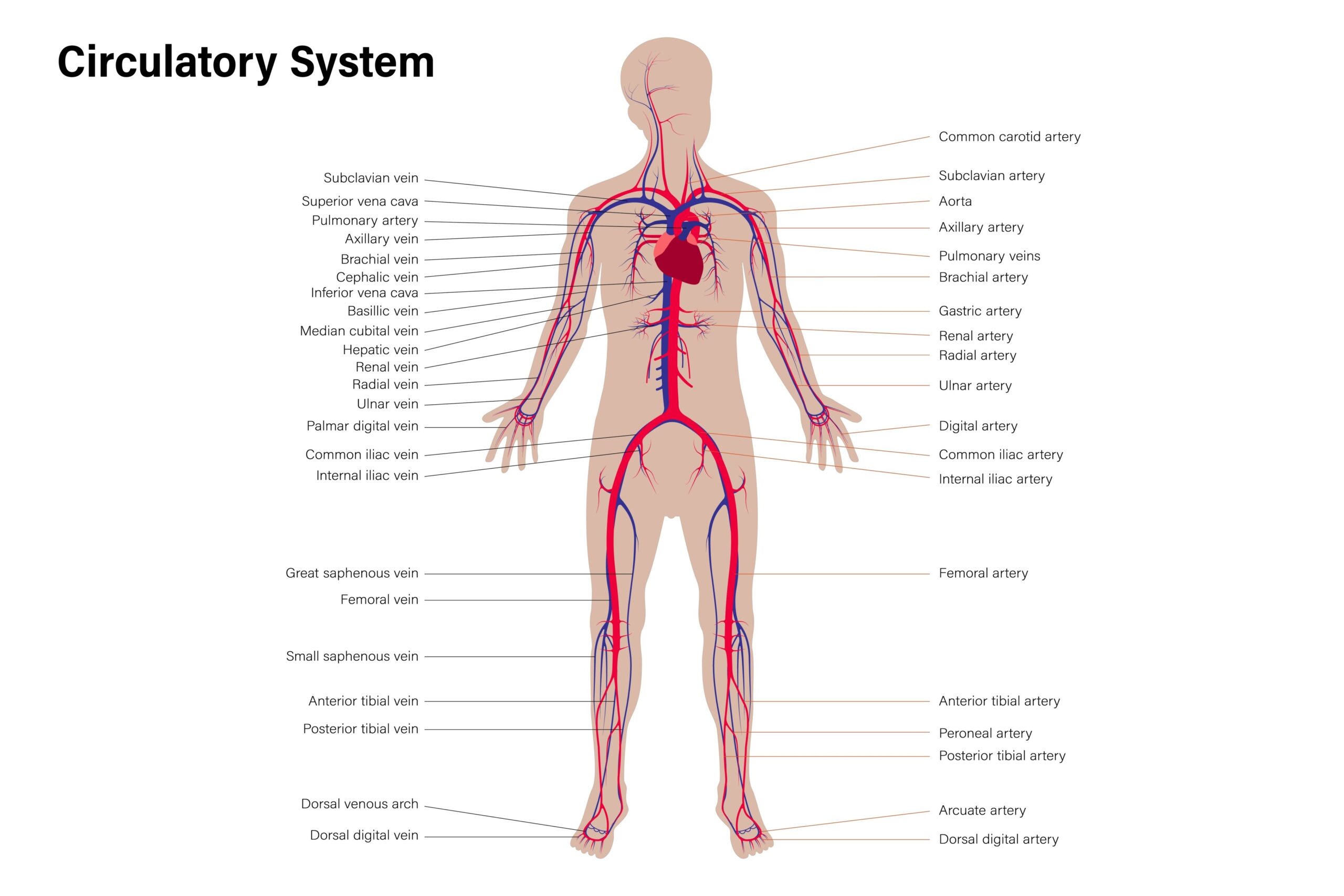
Physiologically, the knife exerts pressure against the walls of the blood vessels it has severed. This pressure helps to contain the blood within the circulatory system. The moment the object is withdrawn, that internal pressure vanishes. This can lead to exsanguination—the medical term for severe loss of blood—within minutes, particularly if a major artery like the femoral or carotid artery is involved.
2. Secondary Damage
A knife blade is often as dangerous coming out as it was going in. Removing the object manually, especially without surgical precision and tools, can cause the blade to slice through additional nerves, tendons, and blood vessels that were previously untouched.
3. Internal Complications
In many cases, the tip of the blade may be lodged near a vital organ. Movement of the object can cause internal tearing that is invisible to the bystander but lethal to the casualty.
Immediate First Aid: What to Do If You or Someone Else is Stabbed
If you find yourself in a situation where someone has been stabbed, your primary goal is to keep the victim alive until Emergency Medical Services (EMS) arrive. Follow these critical steps:
1. Call Emergency Services Immediately
In the UK, dial 999 or 112. Clearly state that there is a victim with a penetrating wound and specify if the object is still embedded. This allows the dispatcher to provide specific instructions and ensures the trauma team is prepared upon arrival.
2. Ensure Scene Safety
You cannot help a casualty if you become one yourself. Ensure the assailant is no longer a threat and that the environment is safe to enter. If the injury was accidental—for instance, if you accidentally stabbed yourself with a knife while cooking or DIY—ensure any machinery is turned off, and the area is clear of further hazards.
3. Leave the Knife in Place
As established, do not attempt to pull the knife out. Do not even wiggle it to see “how deep it goes.” Every millimetre of movement increases the risk of internal haemorrhage.
4. Control Bleeding Around the Object
While you must not move the knife, you must stop the blood escaping from the wound around the object.
- Apply firm, direct pressure to the edges of the wound using a clean cloth or sterile dressing.
- Avoid pushing the knife further into the body.
5. Stabilise the Object
You need to prevent the knife from moving as the casualty breathes or shifts. Use bulky materials—such as rolled-up clothing, towels, or thick bandages—to build up padding around the base of the knife. Secure this padding with a bandage wrapped in a “figure-of-eight” pattern around the object without putting pressure directly on the blade itself.
6. Monitor for Shock
Blood loss and trauma often lead to clinical shock. Symptoms include:
- Pale, cold, or clammy skin.
- Rapid, shallow breathing.
- Confusion or anxiety.
- Nausea.
Keep the casualty warm and lying down. If they are conscious, talk to them calmly to keep them still and focused.
The Path to Recovery: Healing and Complications
Once the victim is in the hands of trauma surgeons, the “active” phase of first aid ends, but the journey to health is just beginning.
Surgical Intervention
In a hospital setting, surgeons will remove the knife in a controlled environment—often an operating theatre. This allows them to immediately clamp any bleeding vessels the moment the blade is withdrawn. They will also explore the wound tract to repair any damaged organs.
How long can a stab wound take to heal?
The recovery timeline varies significantly:
- Minor Wounds: If no vital organs or major vessels were hit, the skin and muscle may heal within 2 to 4 weeks.
- Major Trauma: If surgery was required to repair organs (like the liver, gut, or lungs), recovery can take months. Physical therapy may be required if nerves or tendons were severed.
- Psychological Recovery: Post-Traumatic Stress Disorder (PTSD) is common following violent or accidental trauma. Mental health support is often a vital component of the healing process.
Risks of Infection
Penetrating wounds are “dirty” wounds. Knives often carry bacteria from the environment, clothing, or skin into the deep tissues. Patients are typically put on a course of broad-spectrum antibiotics and may require a tetanus booster.
| Injury Type | Primary Healing (Skin) | Internal Healing | Full Activity Return |
| Superficial / Flesh Wound | 7-10 days | 2-3 weeks | 4 weeks |
| Deep Muscle Trauma | 2 weeks | 4-6 weeks | 2-3 months |
| Organ Repair / Surgery | 3-4 weeks | 3-6 months | 6-12 months |
Why Professional Training Matters
In a crisis, knowledge is the difference between life and death. While reading an article provides the “what,” hands-on training provides the “how.”
The Value of First Aid Courses
Specialised training, such as First Aid at Work or Emergency First Aid courses, teaches participants how to use trauma dressings, how to properly pack a wound (if the object is not present), and how to use tourniquets in extreme limb-bleeding scenarios.
For those living or working in urban areas where the risk of sharp force trauma may be higher, understanding “Catastrophic Bleed Management” is an essential modern skill. Training covers the use of haemostatic dressings, which contain chemicals that help blood clot faster—a vital tool when dealing with deep lacerations.
Workplace Requirements
Under UK Health and Safety regulations, employers must ensure that employees have access to adequate first aid. In high-risk environments, this may include specific kits designed for major trauma, including “Stop the Bleed” equipment.
FAQs About If a Knife is Stabbed
What should I do if I accidentally stab myself with a knife?
Accidental stabbings are common in domestic settings. If the knife is still in your body, follow the rules above: do not pull it out. Call 999. If the knife has fallen out naturally, apply immediate direct pressure to the wound with the cleanest material available. Sit or lie down to prevent fainting and wait for help. Even a small “nick” can be deeper than it looks; always seek professional medical evaluation.
Are stab wounds survivable?
Yes, the vast majority of stab wounds are survivable if medical intervention is swift. Survival depends on three main factors:
- Location: Wounds to the extremities (arms/legs) are generally less life-threatening than those to the torso or neck, provided major arteries aren’t severed.
- Speed of Care: The “Golden Hour” in trauma surgery refers to the period where prompt treatment is most likely to prevent death.
- The “Leave it in” Rule: Casualties who arrive at the hospital with the object still stabilised have significantly higher survival rates than those where the object was removed at the scene.
Do you cough up blood when stabbed in the stomach?
Not necessarily. Coughing up blood (haemoptysis) usually indicates an injury to the respiratory system, such as the lungs or trachea. If someone is stabbed in the stomach (the organ or the general abdominal area), they are more likely to experience internal bleeding or, in some cases, vomiting blood (haematemesis) if the stomach lining is breached. However, a high abdominal wound could potentially involve the diaphragm and the base of the lungs, leading to respiratory distress.
The Bottom Line
- Never remove the knife: It is acting as a plug to prevent fatal blood loss.
- Call 999: Professional medical help is the only way to safely manage a penetrating injury.
- Stabilise and Pad: Use clothing or bandages to stop the knife from moving.
- Pressure: Apply pressure around the wound, not on the object.
- Stay Calm: The casualty’s heart rate needs to remain as low as possible to slow down potential internal bleeding.
Understanding the mechanics of a stab wound and the importance of leaving an embedded object in place can empower you to save a life. Whether it’s an accident in the kitchen or a more serious incident, the principles of first aid remain the same: Preserve Life, Prevent Worsening, and Promote Recovery.